
Services The Science By Age Shop Kits About Book a session
The Science

Play isn't just fun, it's how the brain gets built.

Every session and kit we make is grounded in child-development research. Here's the science (in plain language) and the studies behind each claim.

6 research-backed reasons Pediatric & education sources
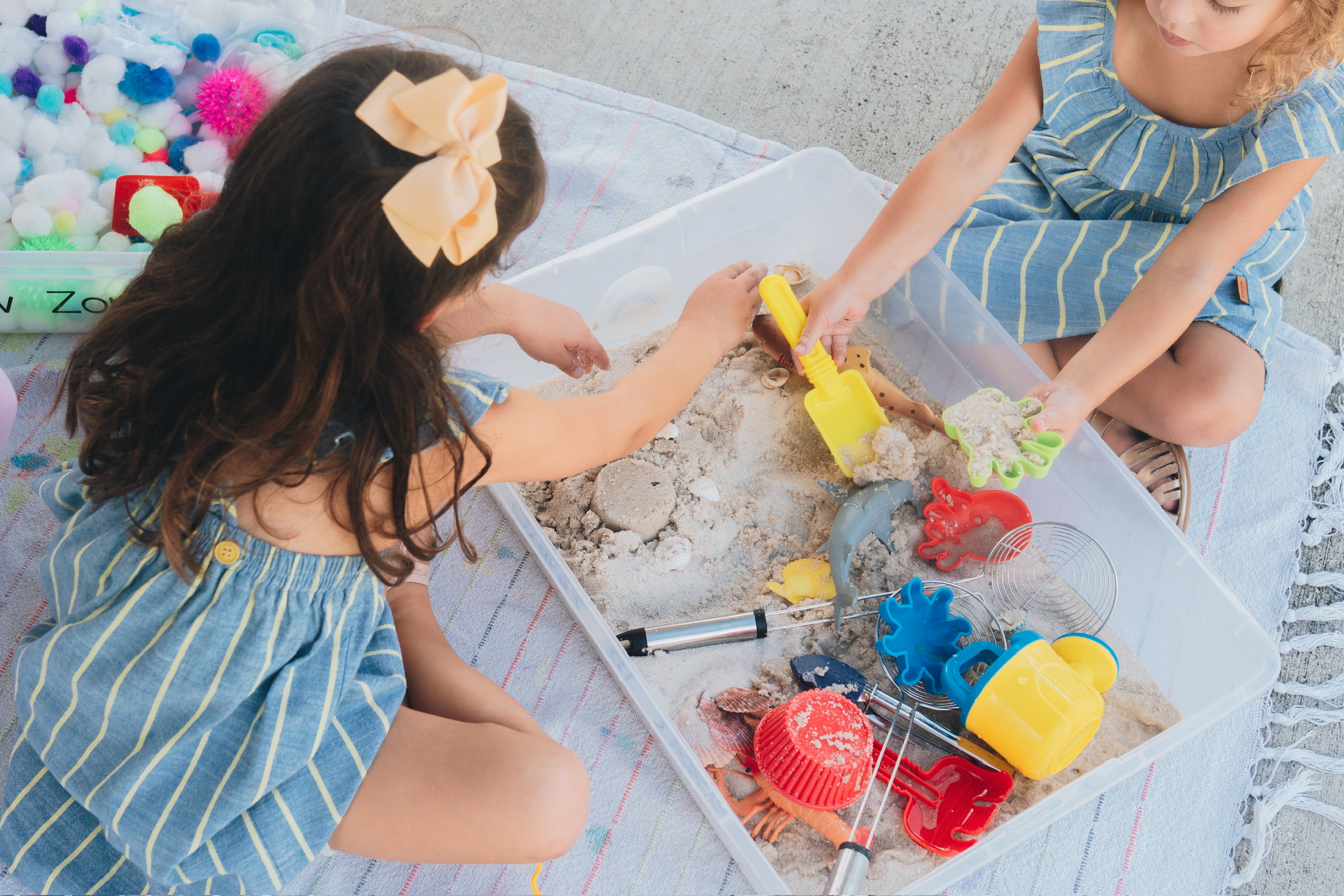
A child's hands exploring a sensory bin of textures and tools
0–5 yrs The window when the brain grows fastest
2nd grade

How far ahead early fine-motor skill predicts a child's academic performance.

0 screens

Recommended before 18 months of age (American Academy of Pediatrics).

~87%

Of young children exceed daily screen-time recommendations.

The big idea

In the first five years, children learn through their hands and senses.

Hands-on, sensory-rich play strengthens the neural pathways children use to process information and make sense of the world. It's not a break from learning. For a young child, it is the learning.

Below are the six things the research is clearest about, and exactly how Rainbow Zone turns each one into play.

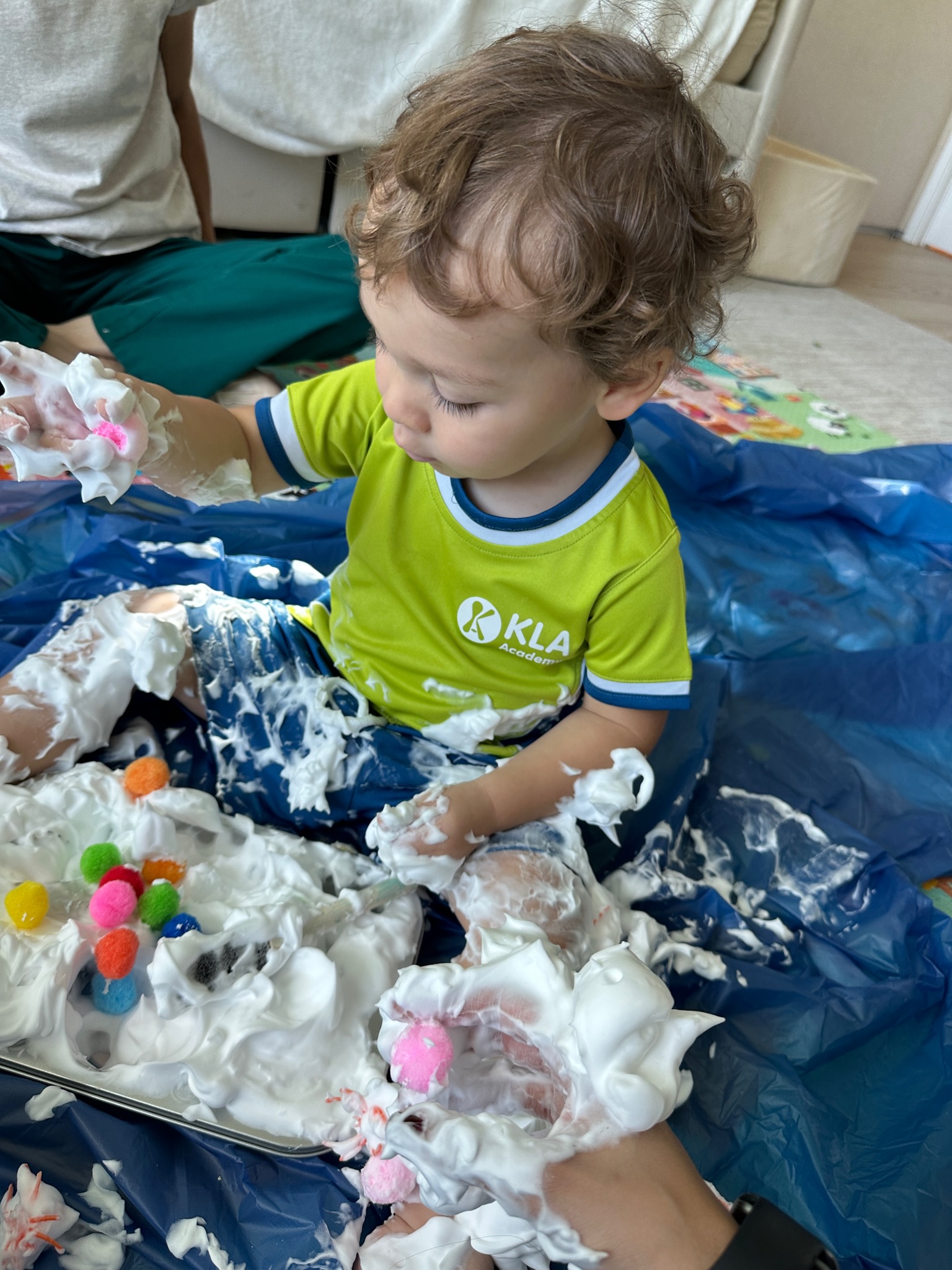
A baby exploring foamy sensory textures
01

Sensory play builds the brain

Interacting with textures, colors and movement strengthens memory, language and emotional regulation. Children with strong sensory foundations show better school readiness and classroom behavior.

Rainbow Zone

Sensory bins, textures and color exploration in every session and kit.
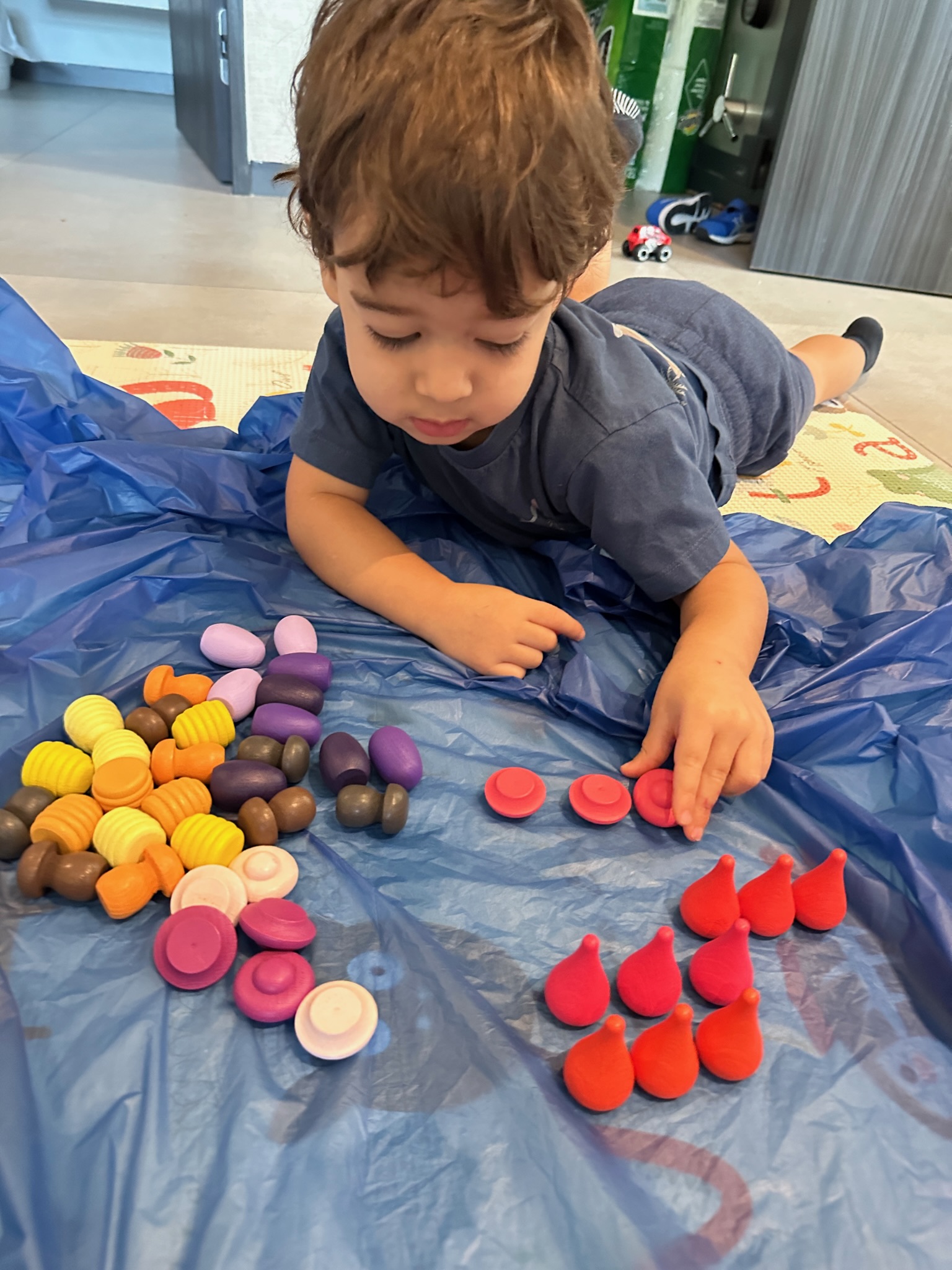
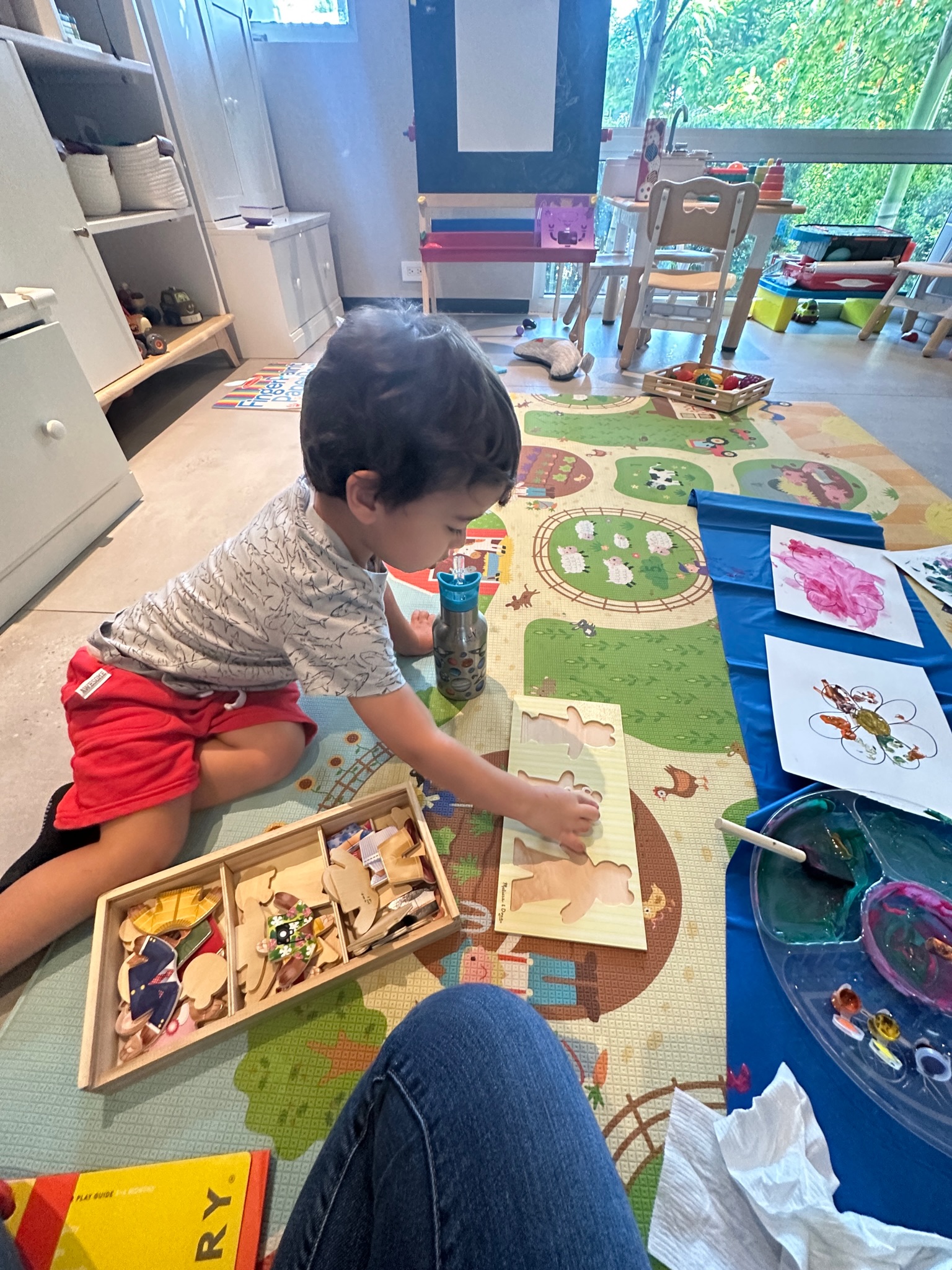
A toddler sorting small colorful wooden pieces by hand
02

Fine-motor skills predict school success

A systematic review finds early fine-motor ability predicts academic performance before school, and continues to forecast it into second grade. Skills build in a cascade: each milestone, like the pincer grip, unlocks the next.

Rainbow Zone

Age-targeted activities for grasping, stacking, scribbling and hand-eye coordination.

A toddler doing a guided hands-on activity at home
03

Play-based learning readies kids for school

Done with intention, play builds the foundations of school readiness: problem-solving, communication, self-regulation and persistence. Research finds early drilling can actually hurt motivation and attention. The biggest gains come from child-led play with gentle adult guidance.

Rainbow Zone

A guided model that balances your child's lead with our gentle structure.

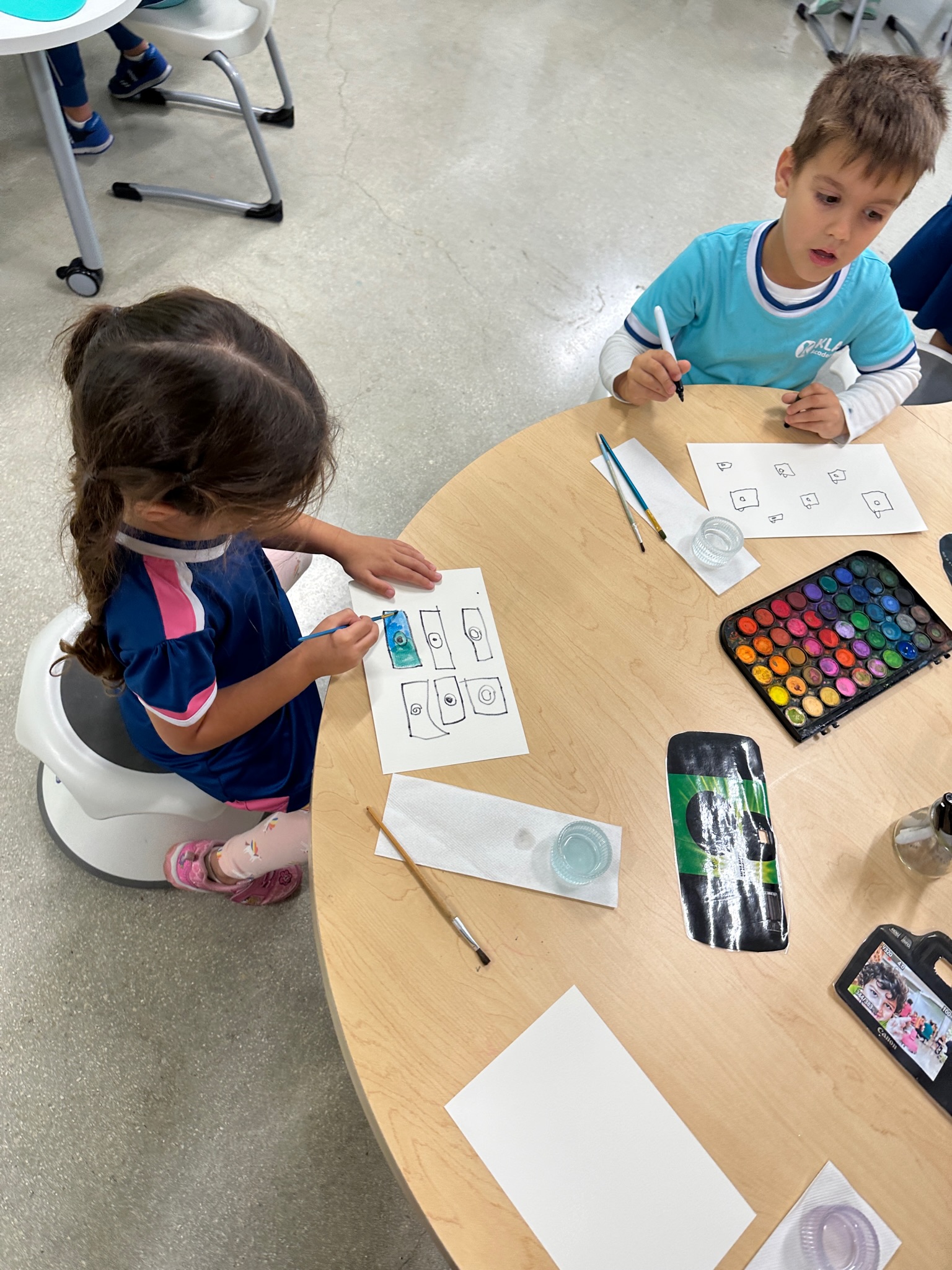
A child painting with watercolors at an activity table
04

Art materials grow skill & self-expression

Early experience with crayons, markers, paint and clay builds fine-motor control, hand-eye coordination, language and confidence, and gives children a channel for creative thinking. It also closes a real gap: many kids reach school never having held a paintbrush.

Rainbow Zone

Hands-on art & craft activities at sessions, parties and in our home kits.

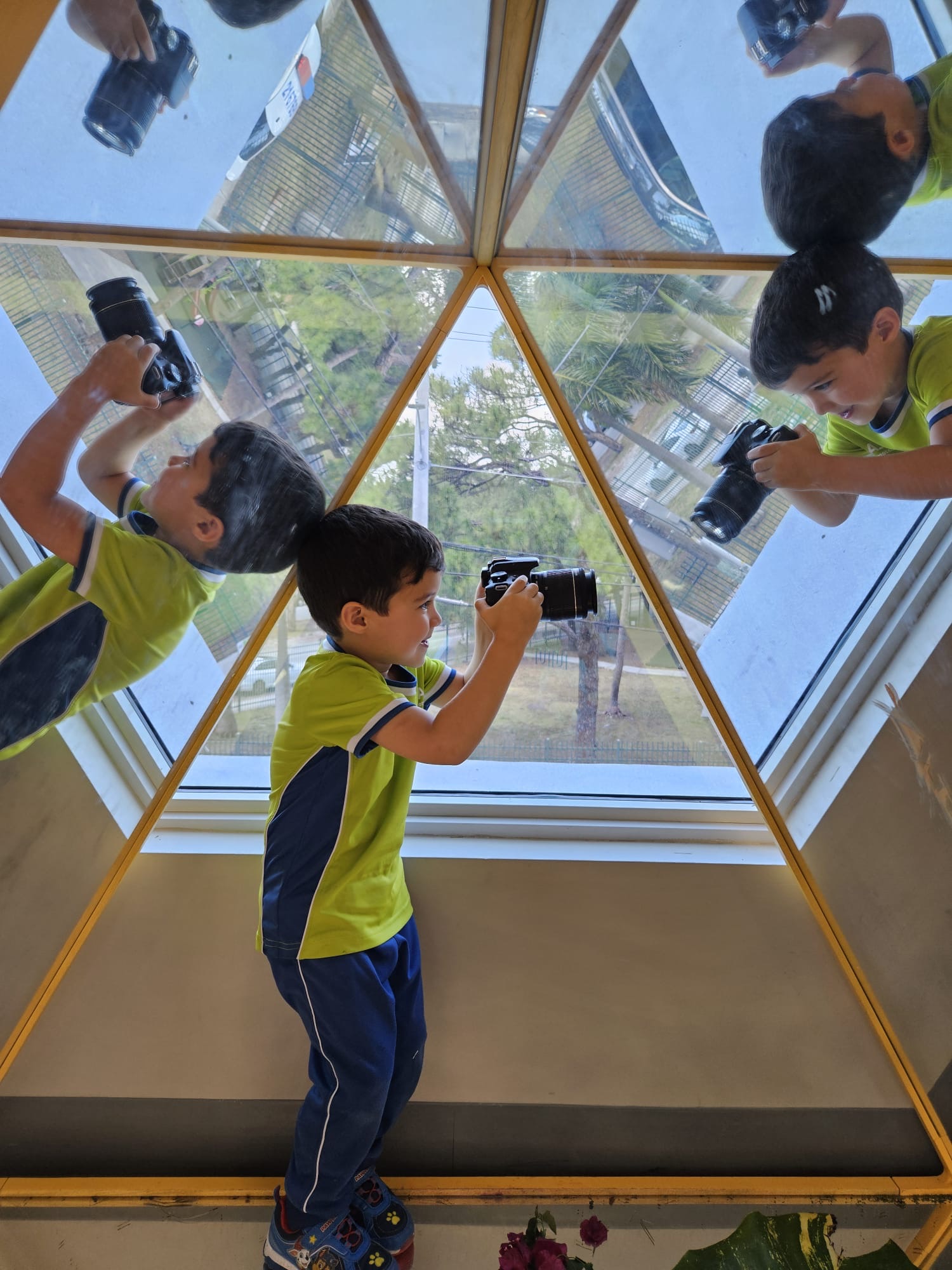
A child absorbed in independent play, exploring on their own
05

Independent play grows focus & calm

Self-directed play helps children practice focusing attention for longer, lays the groundwork for executive function, strengthens emotional regulation, and is linked to creative thinking. Knowing how to set up engaging solo play is a skill, for the child and the parent.

Rainbow Zone

A parent-guidance layer plus home kits designed for confident solo play.

06

Screen-free play is a real alternative

Pediatric guidance is clear, but reality is far off. Parents reach for screens out of routine, time pressure, or simply not having something else on hand. That's exactly the gap our screen-free to-go kit fills.

What pediatricians recommend, and what kids actually get

Average screen time per day

Ages 2–4
Recommended
≤ 1 hr
Reality
2+ hrs

That's more than double the recommended limit.

Under 2 years
Recommended
0 hrs
Reality
~1 hr

Screens aren't recommended at all before 18 months.

Science you can book.

Now turn it into play. Book a personalized session or shop a screen-free kit built on everything above.